
A Technical Overview from a Professional Handbag Factory – Kanrow Bag
Material selection is a critical foundation in handbag manufacture, directly influencing product durability, cost structure, performance, and sustainability. As an experienced handbag manufacturer, Kanrow works with a wide range of materials to support different design requirements and market positioning.
This page provides a technical overview of commonly used materials in modern handbag manufacturing, including genuine leather, PU handbags, synthetic fabrics, and recycled materials.
1. Genuine Leather in Handbag Manufacturing

Leather Bags for Premium Applications
Genuine leather remains a core material in high-quality handbag manufacture. Our handbag factory commonly works with:
- Full-grain leather
- Top-grain leather
- Corrected and embossed leather
Typical applications:
- Premium leather bags
- Business and work handbags
- Long-life everyday carry products
Technical characteristics:
- High tensile strength and abrasion resistance
- Natural aging and patina development
- Natural aging and patina development
Cost considerations:
Genuine leather has a higher material and processing cost due to tanning, grading, and skilled labor requirements. It is typically selected for higher-value handbag collections.
Environmental considerations:
Leather production has a measurable environmental impact, particularly in tanning. Responsible handbag manufacturers mitigate this by sourcing from compliant tanneries with wastewater treatment and chemical management systems.
2. PU Handbags in Large-Scale Handbag Manufacture

Polyurethane (PU) as a Leather Alternative
PU handbags are widely used in commercial handbag manufacturing due to cost efficiency and material consistency.
Typical applications:
- Fashion handbags
- Seasonal collections
- Vegan or animal-free product lines
Technical characteristics:
- Uniform thickness and surface finish
- Lightweight compared to genuine leather
- Compatible with automated cutting and stitching processes
Cost considerations:
PU handbags offer a significantly lower cost per unit compared to leather bags, making them suitable for volume production in a handbag factory environment.
Environmental considerations:
Traditional PU is petroleum-based. However, newer bio-based PU options are increasingly used to reduce environmental impact while maintaining performance.
3. Synthetic Fabrics Used by Handbag Manufacturers
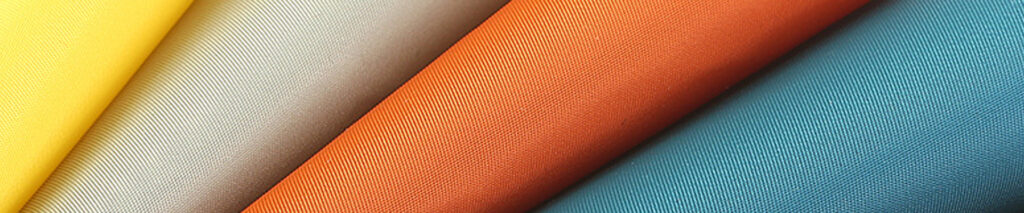
Synthetic fabrics are essential materials in commercial handbag manufacture, especially for functional and lifestyle products.
Nylon
- High strength-to-weight ratio
- Excellent water resistance
- Common in backpacks, travel bags, and sports bags
Polyester
- Cost-effective and color-stable
- Suitable for printed and fashion-oriented handbags
Cost considerations:
Both materials are economical for large-scale production and provide stable supply chains for handbag factories.
Environmental considerations:
While not biodegradable, their durability supports longer product life cycles, reducing overall material replacement frequency.
4. Recycled Materials in Sustainable Handbag Manufacturing
Recycled Polyester and Recycled Nylon
To meet growing sustainability demands, many handbag manufacturers incorporate recycled materials into production.
Recycled Polyester (rPET)
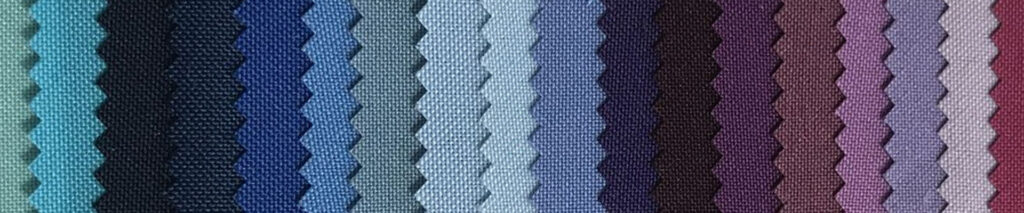
- Produced from post-consumer plastic bottles
- Reduces virgin material consumption
- Common in casual and eco-focused handbag collections
Recycled Nylon

- Regenerated from industrial waste or fishing nets
- Retains original nylon performance characteristics
- Suitable for premium sustainable designs
Cost considerations:
Recycled materials generally carry a moderate cost premium but add environmental value and brand credibility.
5. Natural Fabrics and Environmental Impact
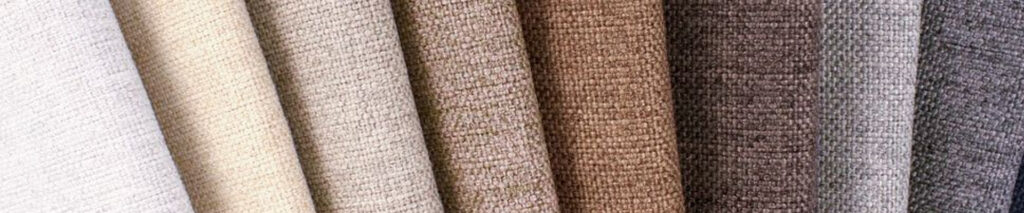
Cotton and Canvas in Handbag Manufacture
Cotton canvas is frequently used in tote bags and promotional handbags.
Technical characteristics:
- Breathable and easy to process
- Suitable for printing and dyeing
Environmental considerations:
Despite being a natural fiber, conventional cotton has a relatively high environmental impact due to water usage and agricultural inputs. Many handbag factories now explore recycled or blended cotton alternatives.
6. Material Selection from a Handbag Factory Perspective
In professional handbag manufacturing, material selection is based on:
- Product positioning and target market
- Functional and durability requirements
- Cost control and scalability
- Sustainability objectives
- Compatibility with manufacturing processes
Typical applications:
- Premium leather bags
- Business and work handbags
- Long-life everyday carry products
Technical characteristics:
- High tensile strength and abrasion resistance
- Natural aging and patina development
- Natural aging and patina development
Cost considerations:
Genuine leather has a higher material and processing cost due to tanning, grading, and skilled labor requirements. It is typically selected for higher-value handbag collections.
Environmental considerations:
Leather production has a measurable environmental impact, particularly in tanning. Responsible handbag manufacturers mitigate this by sourcing from compliant tanneries with wastewater treatment and chemical management systems.